Cutting-Edge Computer Vision Technology in Small Recycling Centres
The Hiller family shows how it's done
28.07.2026 · Laura Neusser
Many operators of small recycling centres assume that automated material recognition is only for the big players. Too complex, too expensive, too much system for just a few deliveries per day. BHRZ Parsberg didn't think so – and since early 2026, they've been demonstrating why this assumption can be a costly mistake.
What is BHRZ Parsberg?
BHRZ Bauschutt- und Holzrecycling Zentrum Parsberg GmbH is a modestly sized recycling business in Parsberg, in the Upper Palatinate region, right in the heart of the Bavarian Jura. Around 20 deliveries arrive there every day – not a massive operation, but a business with clear standards of quality. The company accepts mineral construction waste, timber, plastics, scrap tyres and other recyclable materials, processing them responsibly.
Managing directors Silvester and Fritz Hiller have been running Fritz Hiller GmbH for years, an established business in the natural stone trade – deeply rooted in a region famous for its limestone. BHRZ is their new venture: same region, new premises, new sector – but with the exact same commitment to quality.
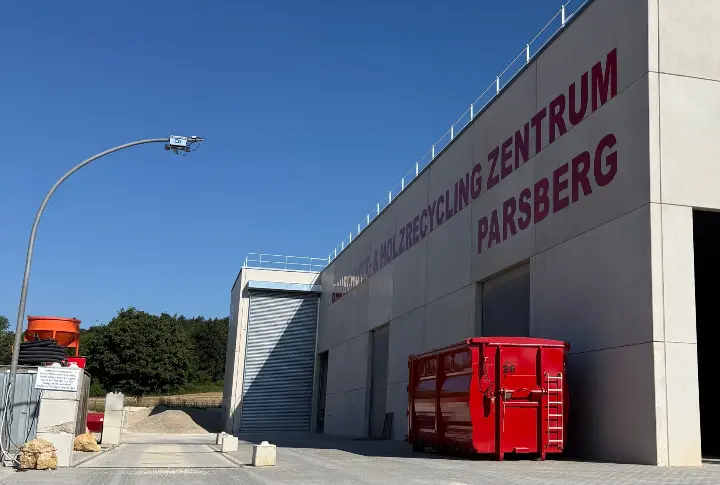
The argument that counts: A single misthrow is all it takes
Mineral construction waste sounds like a straightforward material flow. But it isn't. Plasterboard, aerated concrete or asbestos ending up in the wrong pile can render an entire batch unrecyclable – with immediate consequences for revenues, disposal costs and regulatory compliance.
And that is precisely the core of the issue: with around 20 deliveries a day, only a single one needs to go wrong to cause significant damage. A lower volume doesn't protect you – it merely shrinks the window of time before a mistake becomes apparent.
Silvester Hiller was well aware of this when establishing BHRZ. That's why he looked for a solution to automate delivery checks early on – and reached out to Optocycle via email.
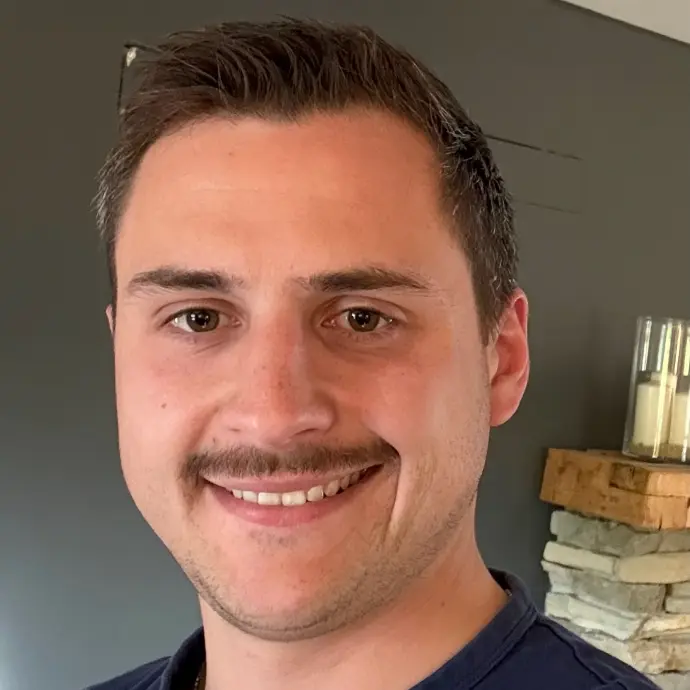
Silvester Hiller
— Managing Director, BHRZ Parsberg
“Even with a smaller volume of deliveries, it makes perfect sense – because individual misthrows can have enormous economic consequences.”
From the first phone call to installation
Optocycle co-founder Max-Frederick Gerken recalls the initial contact: “During the first phone calls with Silvester, we hit it off straight away.” The subsequent online meeting went, in his words, “incredibly well and successfully” – both generations of the Hiller family were convinced right from the start.
An on-site visit in the Bavarian Jura followed. Together, they analysed the site, the entrance, the logistics – and determined the best position for the Truck Imager. The installation went swiftly. The system has been in productive use since early 2026.
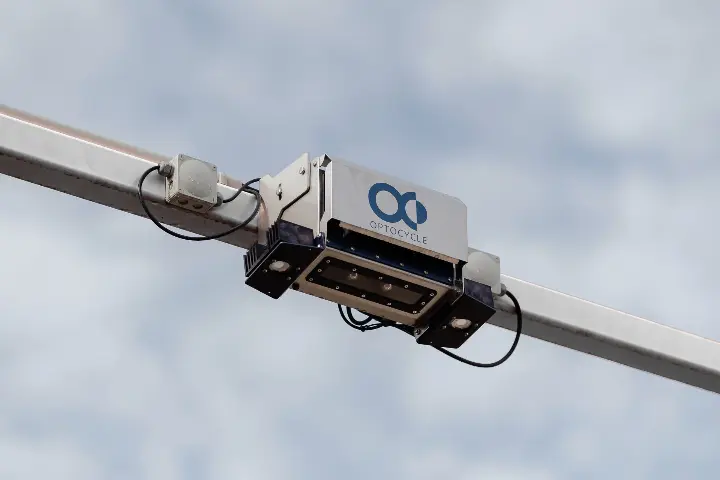
How the Truck Imager works – even with low volumes
The Truck Imager is Optocycle's machine learning solution for automatic material recognition directly at the weighbridge. The camera captures the bed of every incoming lorry during the weighing process. A machine learning model analyses the image in real time via edge computing and instantly provides an objective assessment of the material composition – including contaminants.
This is crucial, particularly for smaller yards like BHRZ:
- Every single delivery counts – with only a few lorries per day, there is no high volume to cushion the blow of an error
- No staff required – the system runs fully automatically, without any extra effort on site
- Objective documentation – in the event of a dispute, you have visual data, not just opinions
- Growth on a solid foundation – clean documentation from day one allows scaling without blind spots
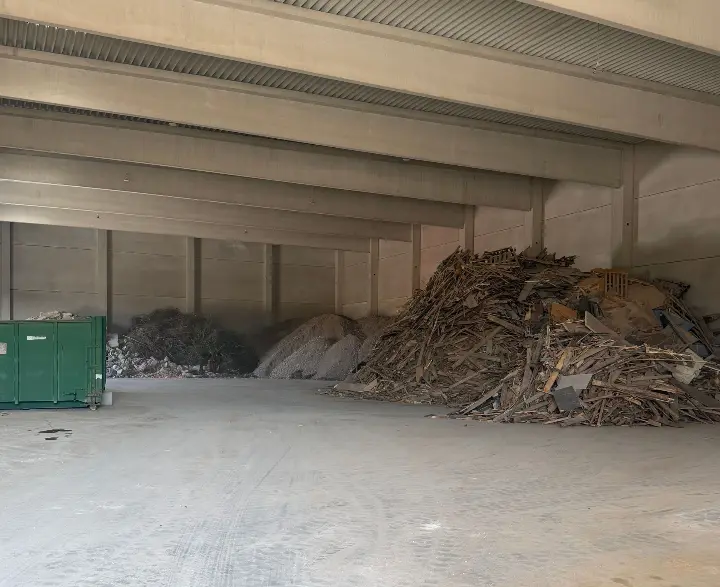
Conclusion: Small recycling centres benefit just as much as large ones.
On closer inspection, the argument “We are still too small” turns on its head. Precisely because BHRZ Parsberg is a young, compact business, every misthrow has a disproportionately high impact. Delivery checks supported by computer vision are not a luxury here – they are risk management.
Silvester Hiller puts it in a nutshell: “We wanted to know what was coming in from the very start. No guesswork – actual knowledge.”
If you run a small or medium-sized recycling centre and are wondering whether Optocycle makes sense for you: BHRZ Parsberg is proof that the answer is yes.
Do you run a recycling centre and want to automate your delivery checks? Arrange a non-binding consultation with Optocycle now.
State-of-the-Art Computer Vision Technology in Small Recycling Yards
The Hiller family shows how it's done
28.07.2026 · Laura Neusser
Many operators of small recycling yards think that automated material recognition is only for the big players. Too complex, too expensive, too much system for just a few deliveries a day. BHRZ Parsberg didn't think so – and since the beginning of 2026, they have been demonstrating why this assumption can be a costly mistake.
What is BHRZ Parsberg?
BHRZ Bauschutt- und Holzrecycling Zentrum Parsberg GmbH is a modestly sized recycling business in Parsberg, in the Upper Palatinate region, right in the heart of the Bavarian Jura. They receive around 20 deliveries a day – not a major operation, but one with clear quality standards. The company accepts mineral construction waste, wood, plastic sheeting, old tyres, and other recyclables, processing them responsibly.
Managing directors Silvester and Fritz Hiller have run an established natural stone trading business, Fritz Hiller GmbH, for years – deeply rooted in a region famous for its limestone. BHRZ is their new venture: same region, new site, new industry – but with the same commitment to quality.
The argument that counts: A single incorrect load is all it takes
Mineral construction waste sounds like a straightforward material stream. But it isn't. Gypsum plasterboard, aerated concrete, or asbestos ending up in the wrong pile can make an entire batch non-recyclable – with direct consequences for revenues, disposal costs, and regulatory compliance.
And that is precisely the core of the issue: with around 20 deliveries a day, only one needs to go wrong to cause significant damage. A lower volume doesn't protect you – it just reduces the window of time before an error becomes apparent.
Silvester Hiller was well aware of this when setting up BHRZ. That is why he looked for a solution to automate delivery inspections early on – and reached out to Optocycle by email.
Silvester Hiller
— Managing Director BHRZ Parsberg
“Even with a smaller delivery volume, it makes absolute sense – because individual incorrect loads can have enormous economic consequences.”
From the first phone call to installation
Optocycle co-founder Max-Frederick Gerken recalls the initial contact: “In our first phone conversations with Silvester, we hit it off straight away.” The online meeting that followed went “very well and successfully” in his words – both generations of the Hiller family were convinced from the start.
An on-site visit to the Bavarian Jura followed. Together, they analysed the premises, the entrance, and the logistics – and decided on the best position for the Truck Imager. The installation was carried out swiftly. Since the beginning of 2026, the system has been in active use.
How the Truck Imager works – even with low volumes
The Truck Imager is Optocycle's machine learning solution for automatic material recognition directly at the weighbridge. The camera captures the cargo bed of every incoming lorry during weighing. A machine learning model analyses the image in real time via edge computing and immediately provides an objective assessment of the material composition – including any contaminants.
This is crucial, particularly for smaller yards like BHRZ:
- Every single delivery counts – with only a few lorries a day, there is no high volume to buffer an error
- No staff deployment required – the system runs fully automatically, without extra effort on the yard
- Objective documentation – in the event of a dispute, you have image data, not opinions
- Growth on a solid foundation – clean documentation from day one means scaling without blind spots
Conclusion: Small recycling yards benefit at least as much as large ones
On closer inspection, the argument “We are still too small” turns on its head. Precisely because BHRZ Parsberg is a young, modestly sized business, every incorrect load has a disproportionately high impact. Computer vision-supported delivery inspection is not a luxury here – it is risk management.
Silvester Hiller sums it up: “We wanted to know what was coming in from the very start. Not guessing – knowing.”
If you run a small or medium-sized recycling yard and are wondering if Optocycle makes sense for you: BHRZ Parsberg is proof that the answer is yes.
Do you run a recycling yard and want to automate your delivery inspections? Arrange a non-binding consultation with Optocycle now.
State-of-the-art Computer Vision Technology at Small Recycling Centres
The Hiller family shows how it's done
28.07.2026 · Laura Neusser
Many operators of small recycling centres believe that automated material detection is only for the big players. Too complex, too expensive, too much system for just a few deliveries a day. BHRZ Parsberg didn't think so – and since the beginning of 2026, they have been showing why this assumption can be a costly mistake.
What is BHRZ Parsberg?
BHRZ Bauschutt- und Holzrecycling Zentrum Parsberg GmbH is a modestly sized recycling business in Parsberg, in the Upper Palatinate region, right in the heart of the Bavarian Jura. Around 20 deliveries arrive there every day – it is not a massive operation, but one with clear quality standards. The company accepts mineral construction waste, wood, plastic sheeting, old tyres and other recyclable materials, processing them responsibly.
With Fritz Hiller GmbH, managing directors Silvester and Fritz Hiller have been running an established natural stone trading business for years – deeply rooted in a region famous for its limestone. The BHRZ is their new venture: same region, new site, new industry – but with the very same commitment to quality.
The argument that matters: A single incorrect disposal is all it takes
Mineral construction waste sounds like a straightforward material stream. But it isn't. Gypsum plasterboard, aerated concrete or asbestos ending up in the wrong pile can render an entire batch non-recyclable – with direct consequences for revenues, disposal costs and regulatory compliance.
And that is precisely the core of the issue: with around 20 deliveries a day, only a single one needs to go wrong to cause substantial damage. A lower volume doesn't protect you – it merely shrinks the window of time in which a mistake is spotted.
Silvester Hiller was well aware of this when establishing BHRZ. That is why he looked for a solution to automate delivery inspections early on – and got in touch with Optocycle by email.
Silvester Hiller
— Managing Director, BHRZ Parsberg
“Even with a smaller delivery volume, it makes absolute sense – because individual incorrect disposals can have massive financial consequences.”
From the first phone call to installation
Optocycle co-founder Max-Frederick Gerken recalls the initial contact: “In our first phone calls with Silvester, we hit it off immediately.” The subsequent online meeting went, in his words, “incredibly well and successfully” – both generations of the Hiller family were on board right from the start.
This was followed by an on-site visit in the Bavarian Jura. Together, they analysed the premises, the entrance, and the logistics – and decided on the best position for the Truck Imager. The installation went ahead swiftly. The system has been in productive use since early 2026.
How the Truck Imager works – even with low volumes
The Truck Imager is Optocycle's machine learning solution for automatic material recognition directly at the weighbridge. The camera captures the cargo area of every incoming lorry during the weighing process. A machine learning model analyses the image in real time via edge computing and immediately provides an objective assessment of the material composition – including any contaminants.
This is crucial, especially for smaller yards like BHRZ:
- Every single delivery counts – with only a few lorries per day, there is no massive volume to absorb a mistake
- No staff deployment required – the system runs fully automatically, without extra effort on site
- Objective documentation – in the event of a dispute, there is visual data rather than just opinions
- Growth on a solid foundation – clean documentation from day one means scaling up without any blind spots
Conclusion: Small recycling centres benefit at least as much as large ones
On closer inspection, the argument “we are still too small” actually turns on its head. Precisely because BHRZ Parsberg is a young, manageable business, any incorrect disposal has a disproportionately high impact. Here, computer vision-based delivery control is not a luxury – it is essential risk management.
Silvester Hiller sums it up perfectly: “We wanted to know what was coming in right from the start. Not guess – know.”
If you run a small or medium-sized recycling centre and are wondering whether Optocycle is right for you: BHRZ Parsberg is the proof that the answer is yes.
Do you operate a recycling centre and want to automate your delivery inspections? Book a no-obligation appointment with Optocycle now.
Many operators of small recycling yards think that automated material recognition is only for the big players. Too complex, too expensive, too much system for just a few deliveries per day. The BHRZ Parsberg did not think so – and has been demonstrating since the beginning of 2026 why this assumption can be a costly mistake.
What is the BHRZ Parsberg?
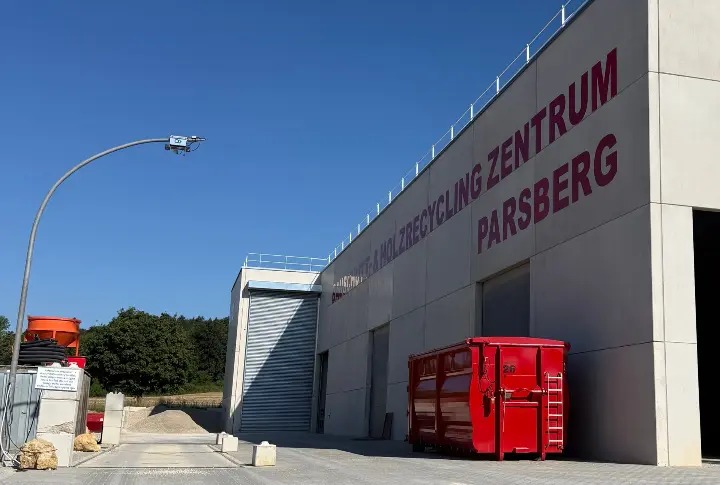
BHRZ Bauschutt- und Holzrecycling Zentrum Parsberg GmbH is a manageable recycling business in Parsberg, in the Upper Palatinate, in the middle of the Bavarian Jura. Around 20 deliveries arrive there every day – not a large-scale operation, but one with clear quality standards. The company accepts mineral construction waste, wood, plastic film, waste tyres and other recyclables and recycles them responsibly.
The managing directors Silvester and Fritz Hiller have been running Fritz Hiller GmbH for years, an established company in the natural stone trade – rooted in a region known for its limestone. The BHRZ is their new mainstay: same region, new premises, new industry – but with the same commitment to quality.
The argument that counts: a single wrong deposit is enough
Mineral construction waste sounds like a manageable material stream. But it is not. Plasterboard, aerated concrete or asbestos that end up in the wrong pile can render an entire batch unusable – with direct consequences for revenues, disposal costs and regulatory compliance.
And that is precisely the core of the issue: with around 20 deliveries per day, only a single one needs to go wrong to cause significant damage. The volume does not protect you – it only reduces the time window in which an error becomes visible.
Silvester Hiller was aware of this when he set up the BHRZ. That is why he looked for a solution to automate delivery control at an early stage – and contacted Optocycle by email.
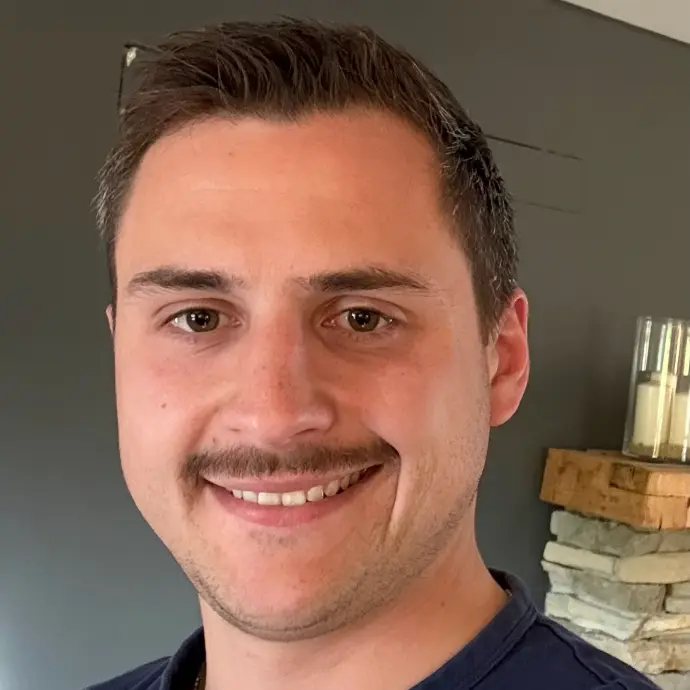
Silvester Hiller
— Managing Director BHRZ Parsberg
“Even with a smaller delivery volume, it makes a lot of sense – because individual incorrect deposits can have enormous economic consequences.”
From the first phone call to installation
Optocycle co-founder Max-Frederick Gerken recalls the first contact: “In the first phone calls with Silvester, we hit it off straight away.” According to him, the subsequent online meeting went “very well and successfully” – both generations of the Hiller family were convinced from the start.
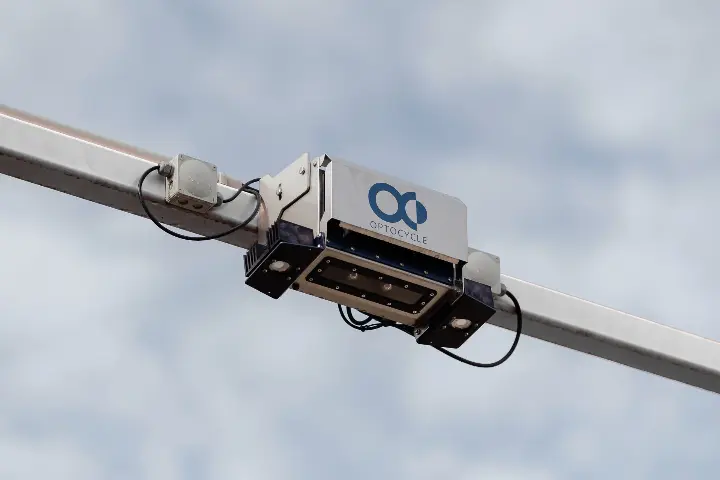
This was followed by an on-site appointment in the Bavarian Jura. Together, they analysed the site, the entrance, the logistics – and determined where the Truck Imager should best be positioned. The installation followed quickly. The system has been running productively since the beginning of 2026.
How the Truck Imager works – even with small volumes
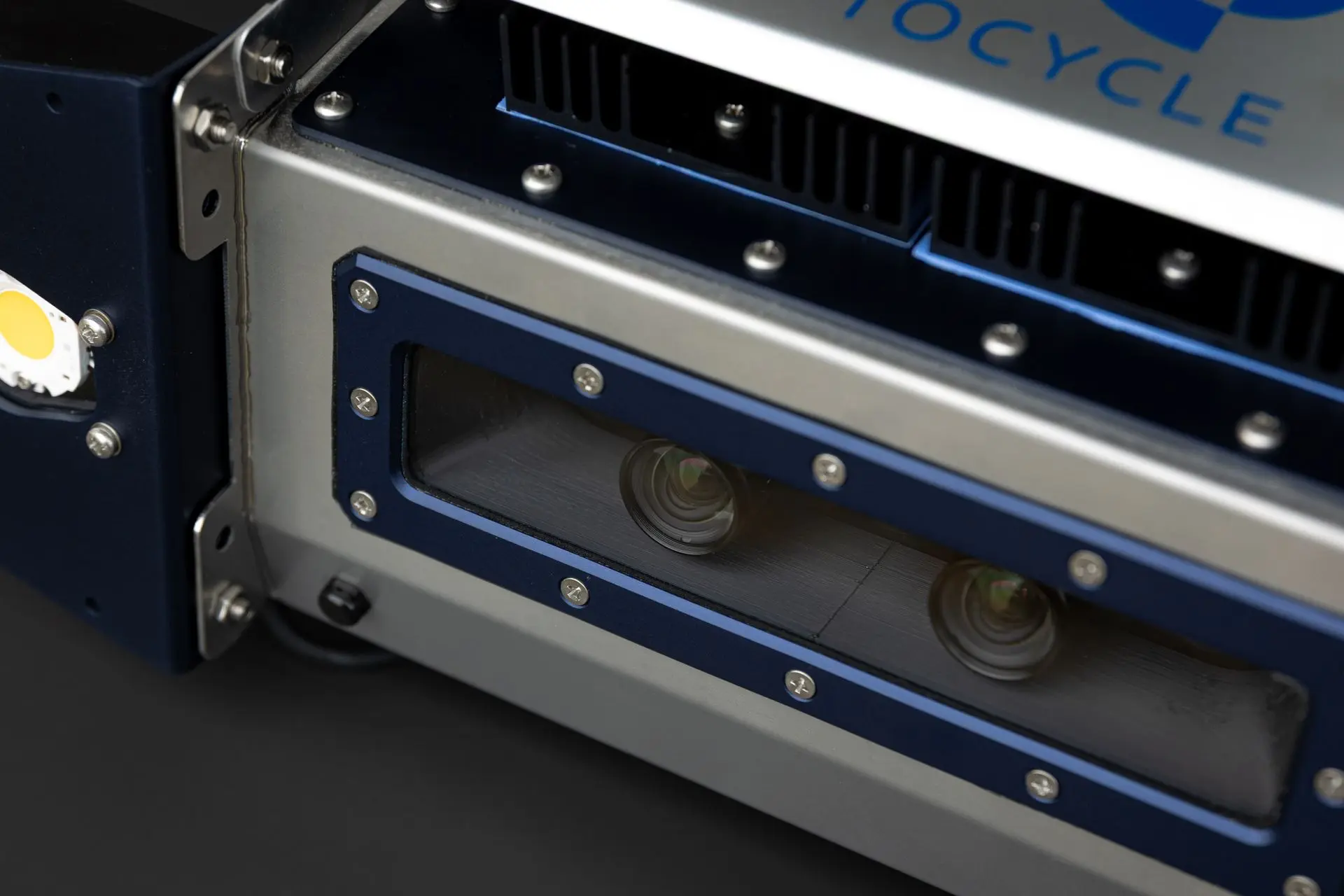
The Truck Imager is Optocycle's machine learning solution for automatic material recognition directly at the weighbridge. The camera captures the cargo bed of every incoming truck during weighing. A machine learning model analyses the recording in real time via edge computing and immediately provides an objective assessment of the material composition – including contaminants.
This is crucial, especially for smaller yards like the BHRZ:
Every single delivery counts – with only a few trucks per day, there is no large volume to cushion an error
No staff deployment required – the system runs fully automatically, without additional effort at the yard
Objective documentation – in the event of a complaint, there is image data, not opinions
Growth on a solid foundation – those who document cleanly from the start scale up without blind spots
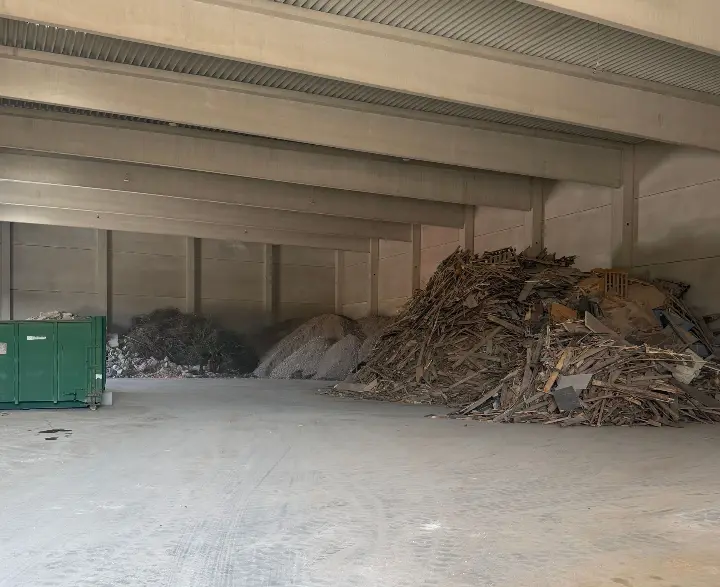
Insights into the small but fine recycling yard
Conclusion: Small recycling yards benefit at least as much as large ones.
On closer inspection, the argument “We are still too small” turns on its head. Precisely because BHRZ Parsberg is a young, manageable business, every wrong deposit has a disproportionately strong impact. Computer vision-based delivery control is not a luxury here – it is risk management.
Silvester Hiller puts it in a nutshell: “We wanted to know what was coming to us from the start. Not guess – know.”
If you run a small or medium-sized recycling yard and are wondering whether Optocycle makes sense for you too: BHRZ Parsberg is proof that the answer is yes.
Do you run a recycling yard and want to automate your delivery control? Arrange a non-binding appointment with Optocycle now.
Contact us:
Contact us:
Contact us: